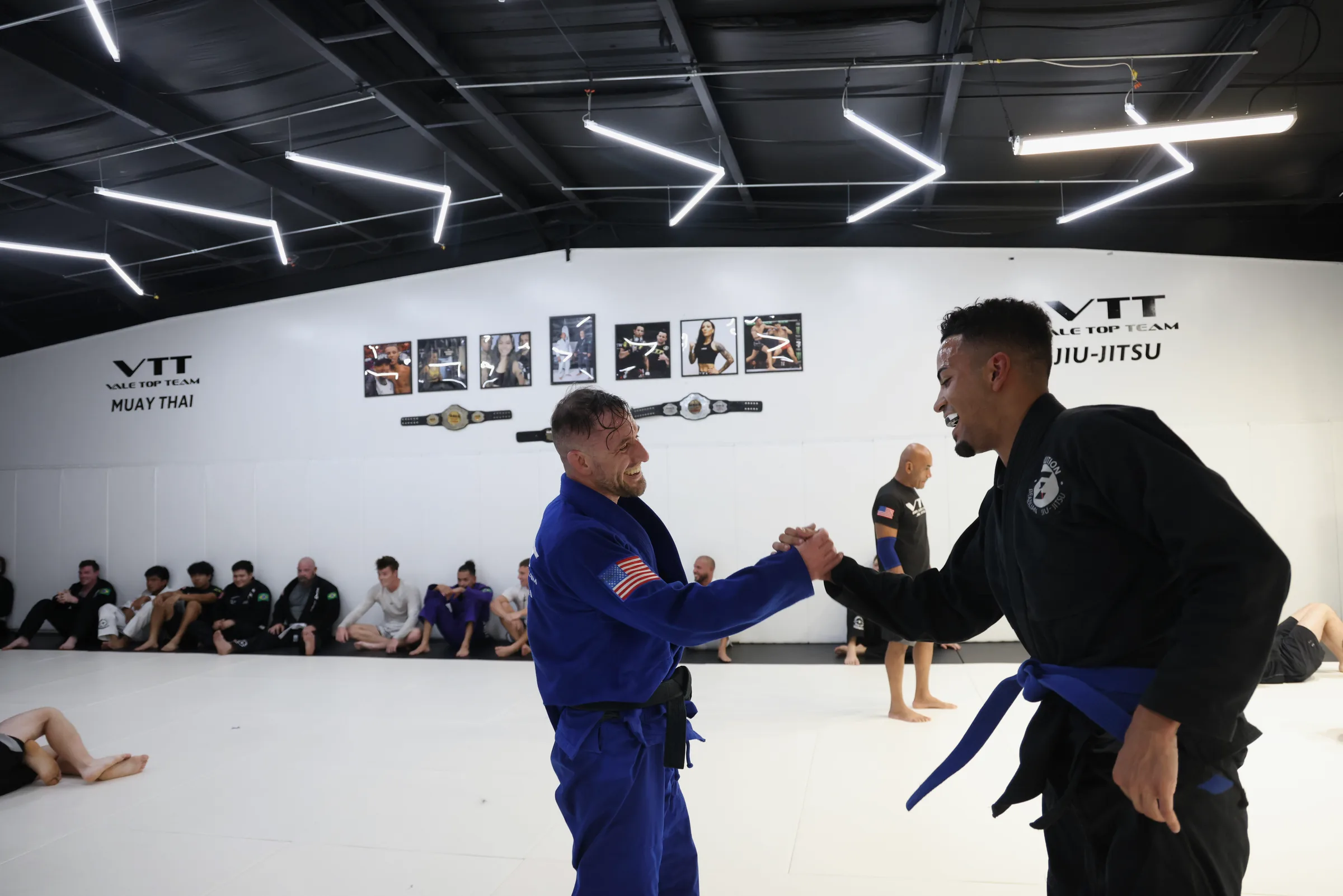
The word is community, but the word beneath it is older. Com-unus. With oneness. The togetherness of people who have become the same kind of people.
Read the entry →For practitioners who are ready to build the room they've been training in.
The Way OSS is the infrastructure for those becoming the leaders their community is waiting for.
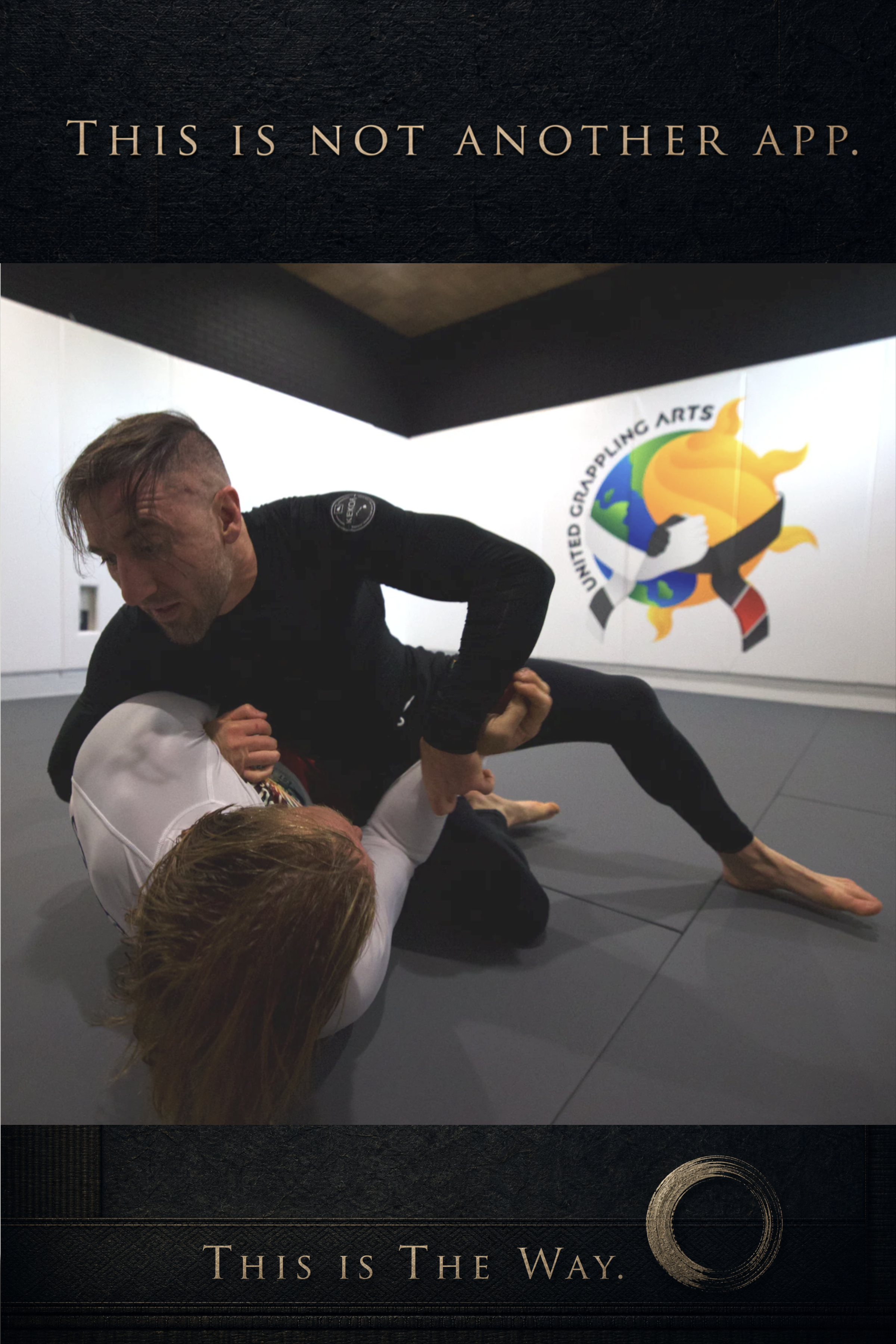
The world is being disrupted faster than meaning can keep up.
Ancient practices already solved this. They were missing distribution.
We are building the operating system for the practitioners who will lead what comes next.
Six Practices
The Practice of Building
What the Belt Doesn't Measure
There is a quiet truth that most senior practitioners of grappling will admit, but rarely in public: the belt around your waist tells you something about how you move on the mat. It tells you very little about who you've become because of the mat.
The Four Principles of The Way OSS Culture
Humility, curiosity, discipline, and ego-less contribution are not slogans for the wall. They are the operating principles for the community we are developing.
Voices
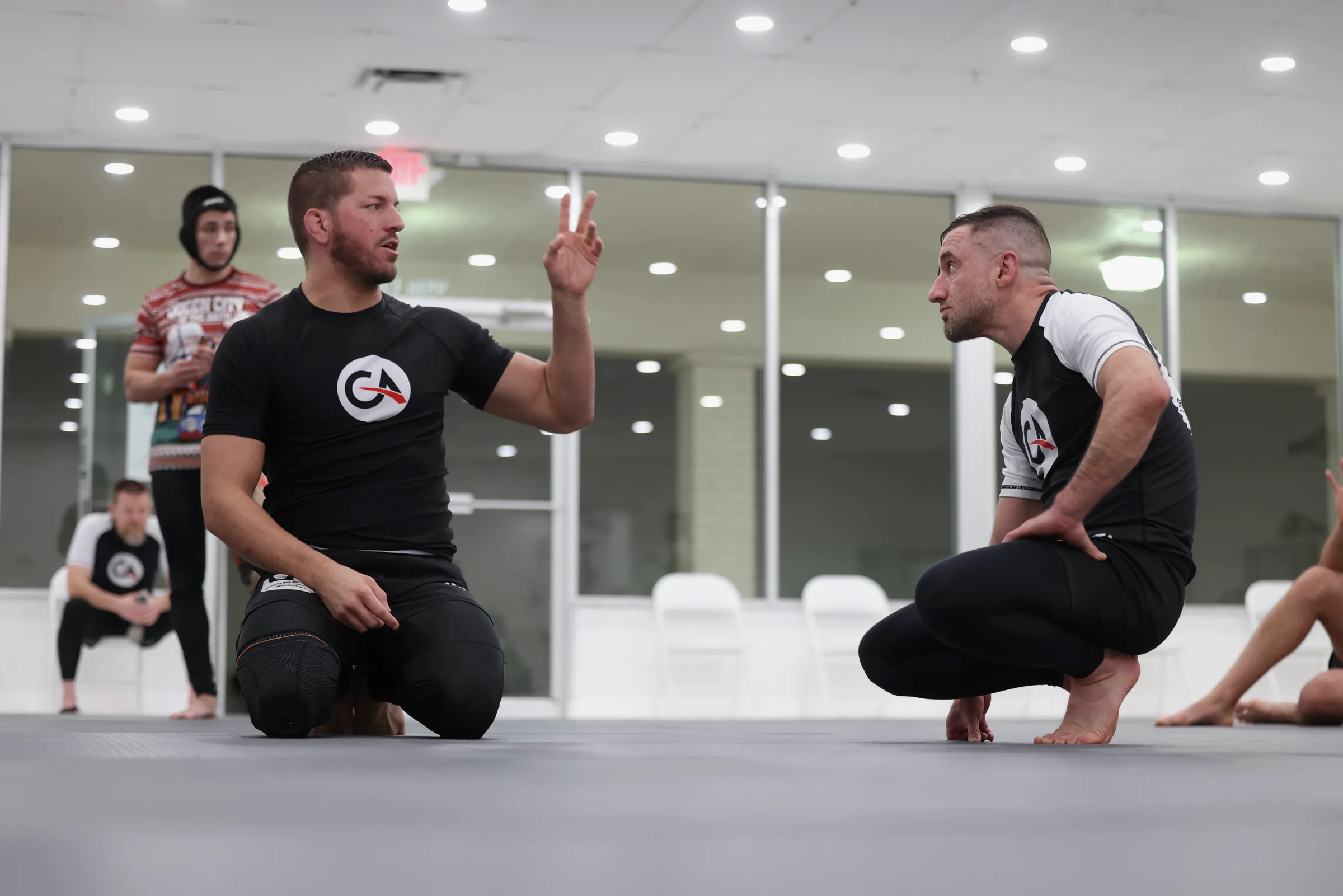
There is a version of the black belt who believes they have arrived.
Read the entry →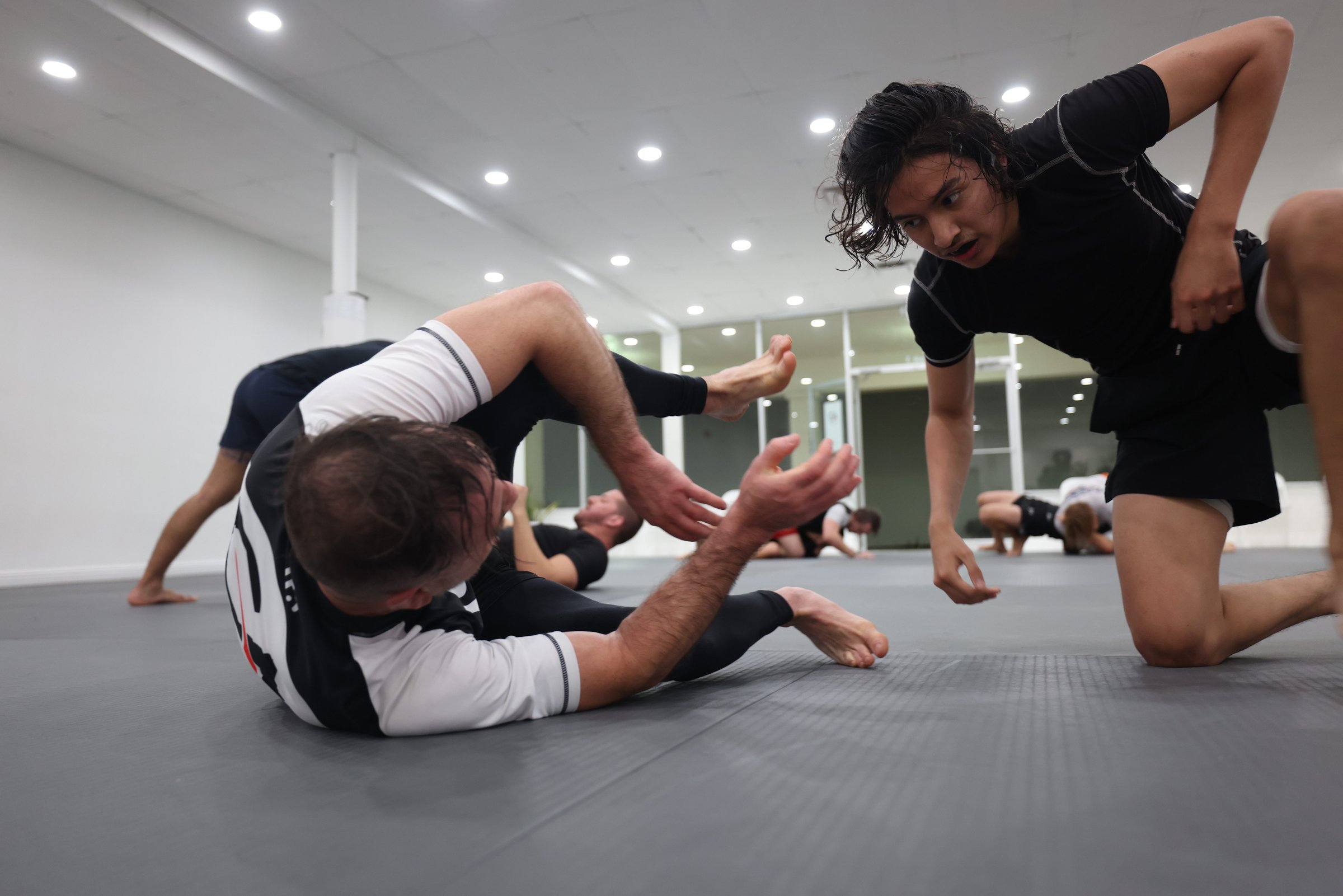
I walked into the gym for the first time on a small decision that turned out to matter more than any of the bigger ones I had been making.
Read the entry →